What Causes Achilles Tendon Injuries? Insights and Advice
Understanding what causes Achilles tendon injuries usually comes down to a mismatch between the load placed on the tendon and its ability to tolerate that load, whether that happens gradually over months of training or suddenly during a single explosive movement. Most Achilles problems are the result of repetitive overload, a rapid change in activity, reduced tendon quality with age, or a combination of all three. This article, written for patients by Consultant Trauma and Orthopaedic Surgeon Mr Samir Hakeem, explains the causes, symptoms, diagnosis, treatment options and prevention strategies.
Mr Samir Hakeem is a Consultant Trauma and Orthopaedic Surgeon with specialist expertise in foot and ankle surgery, trauma surgery and limb reconstruction. He completed advanced fellowship training in Foot and Ankle Surgery at the Freeman Hospital in Newcastle and in Trauma and Limb Reconstruction at Addenbrooke’s Hospital in Cambridge, and he treats patients from Edinburgh and the Scottish Borders. His practice covers the full range of Achilles tendon disorders, from early tendinopathy through to complex reconstruction.
What is the Achilles tendon and why does it matter?
The Achilles tendon is the thick band of tissue that connects the calf muscles to the heel bone. It is the largest and strongest tendon in the body, and it transmits enormous forces every time you walk, run, jump or climb stairs. During running, the load passing through it can reach several times body weight.
That strength comes with a trade-off. The tendon has a relatively modest blood supply, particularly in the section a few centimetres above the heel, so it repairs itself more slowly than muscle. When the demands placed on it outpace its capacity to adapt and heal, the tissue begins to change at a structural level, and pain, stiffness or, in some cases, sudden rupture can follow.
What causes Achilles tendon injuries?
There is rarely a single culprit. In clinical practice, what causes Achilles tendon injuries is usually a stack of contributing factors that build up quietly until symptoms appear. The most common include:
- Sudden increases in training volume or intensity, such as adding hill sprints, speed work or a marathon block without a gradual build-up
- Returning to sport after a period of inactivity, when the tendon has lost some of its conditioning
- Calf muscle tightness or weakness, which reduces the shock absorption available to the tendon
- Foot shape and mechanics, including high arches (pes cavus), flat feet (pes planus) and excessive inward rolling of the foot
- Footwear changes, particularly a rapid switch to flatter or minimalist shoes, or worn-out trainers
- Training surface changes, such as moving from a treadmill to hard pavement or from grass to artificial turf
- Age-related tendon change, most commonly seen between the ages of 30 and 60
- Higher body weight, which increases cumulative load through the tendon
- Underlying health conditions, including diabetes, inflammatory arthritis and raised cholesterol
What causes Achilles tendon injuries during sport?
Sport-related Achilles injuries fall broadly into two patterns. The first is gradual overload, typical of distance runners, who develop pain that creeps in over weeks. The second is a sudden, forceful movement, common in racquet sports, football and five-a-side, where the tendon is stretched while the calf is contracting hard. This is the classic mechanism behind an Achilles tendon rupture, and many patients describe hearing a snap or feeling as though they had been kicked in the back of the leg.
When people ask what causes Achilles tendon injuries in mid-life sport specifically, the honest answer is often the "weekend warrior" pattern: an intense burst of activity on a tendon that has spent the rest of the week largely unloaded. Sporadic high-intensity exercise gives the tissue no opportunity to adapt.
What causes Achilles tendon injuries in people over 40?
With age, tendon tissue becomes less elastic, its collagen structure becomes less organised, and its capacity to repair micro-damage slows. That means the same run or match that felt straightforward at 25 places relatively greater strain on the tendon at 45. This is why a large proportion of Achilles ruptures occur in otherwise healthy adults in their forties and fifties, often with no previous history of pain.
Circulatory and metabolic health also plays a part. Conditions such as diabetes and obesity are associated with poorer tendon quality.
Can medicines and medical conditions contribute?
Yes, and this is an important part of any assessment. Fluoroquinolone antibiotics, such as ciprofloxacin, carry a recognised association with tendon problems including Achilles rupture, and the Medicines and Healthcare products Regulatory Agency has issued safety advice on this. Corticosteroids, whether taken by mouth or injected close to a tendon, may also weaken tendon tissue, which is one reason steroid injections directly into the Achilles are generally avoided.
Inflammatory conditions such as rheumatoid arthritis and the spondyloarthropathies can cause Achilles pain at the heel attachment. Any patient should discuss their full medical and medication history with their clinician, who will consider whether these factors are relevant.
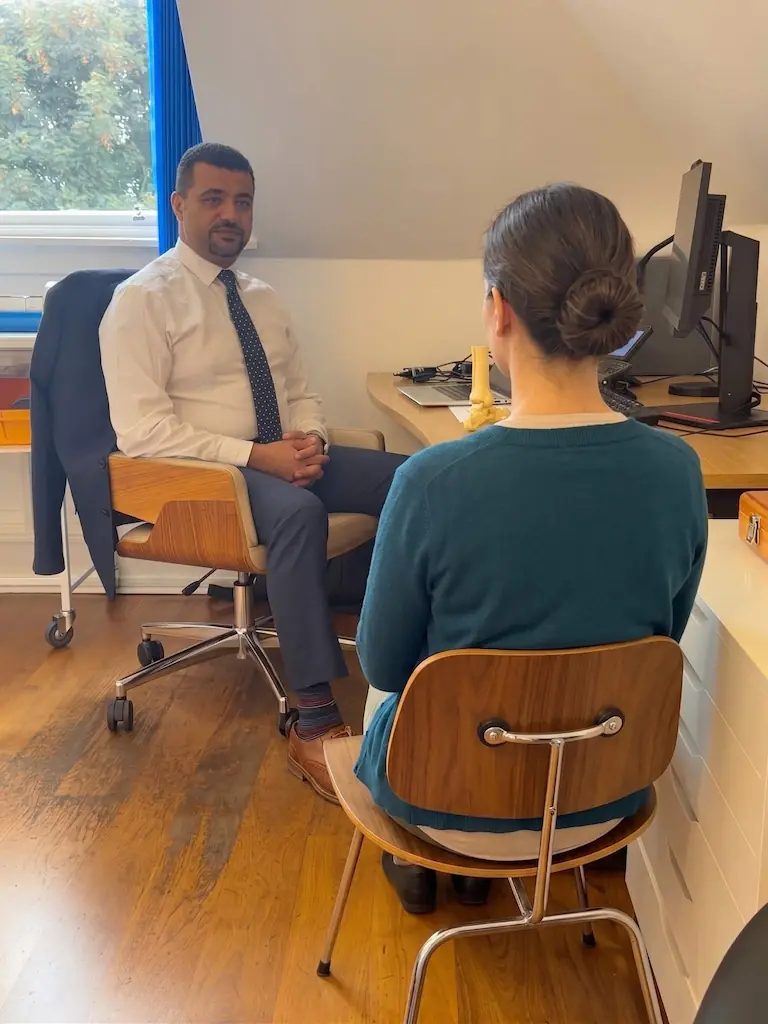
What are the main types of Achilles tendon injury?
Grouping injuries correctly matters, because treatment differs considerably between them. Understanding what causes Achilles tendon injuries in each category helps explain why the management plans are not interchangeable.
Achilles tendinopathy
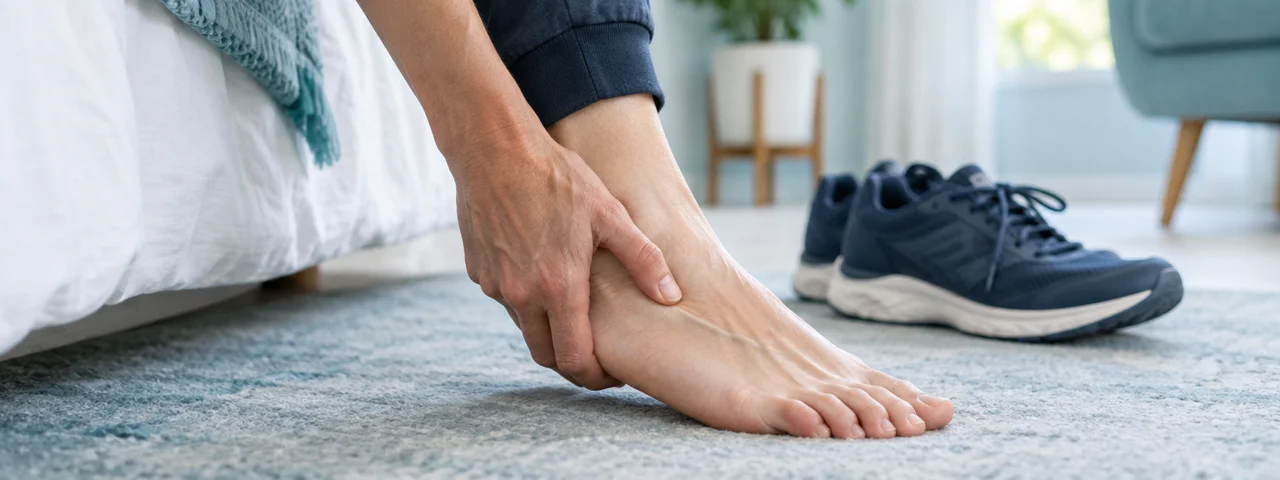
Tendinopathy describes painful degenerative change within the tendon. It is often divided into midportion tendinopathy, affecting the section a few centimetres above the heel, and insertional tendinopathy, affecting the point where the tendon meets the heel bone. Typical features include morning stiffness, pain at the start of exercise that may ease as you warm up, localised tenderness and sometimes a palpable thickening.
Achilles tendon rupture
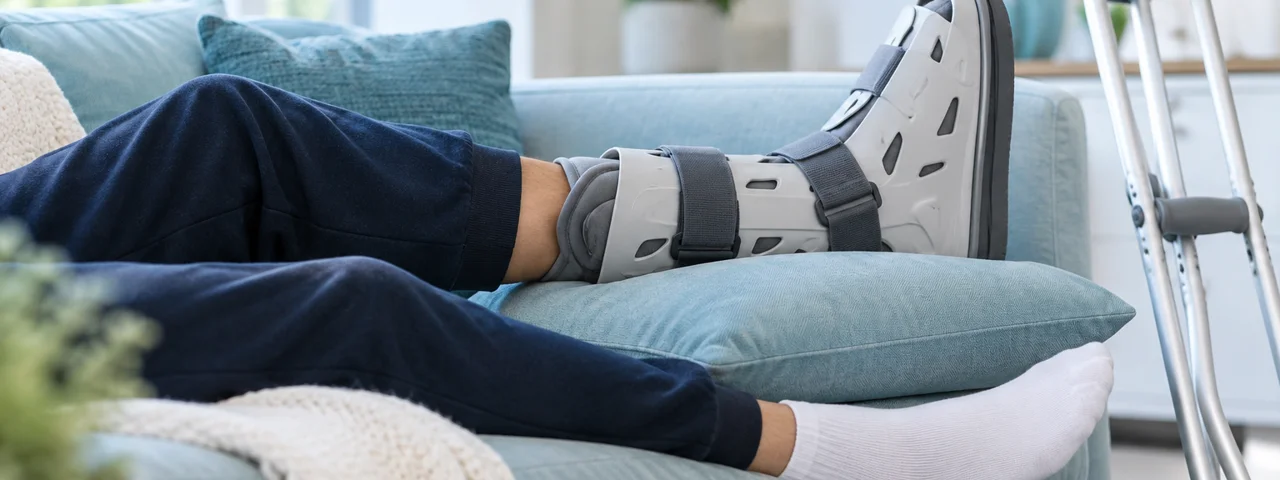
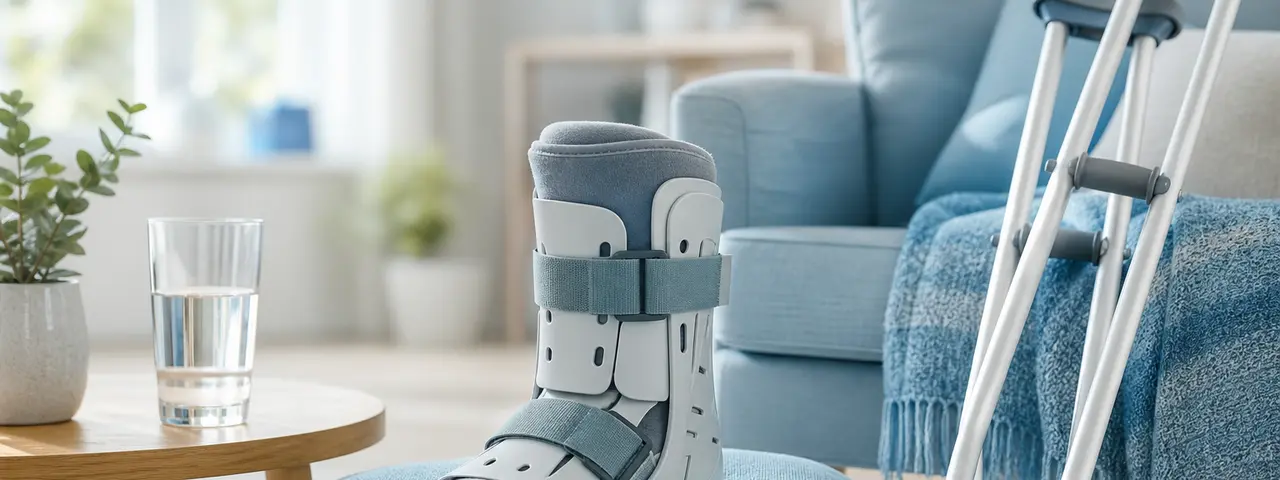
A rupture is a complete or partial tear. Patients usually report sudden severe pain at the back of the ankle, difficulty pushing off, and weakness when trying to stand on tiptoe. A rupture can be missed if the ability to move the ankle is preserved by other muscles, so prompt assessment is important. Both non-surgical treatment in a functional brace or cast and surgical repair are recognised options, and the evidence, including reviews published through the Cochrane Library, shows each approach has different advantages and risks that should be weighed for the individual.
Other related problems
- Retrocalcaneal bursitis, inflammation of the small fluid-filled sac in front of the tendon insertion
- Haglund deformity, a prominent bony bump at the back of the heel that can irritate the tendon
- Paratendinopathy, inflammation of the sheath surrounding the tendon
What symptoms suggest a specialist consultation may be helpful?
Many mild cases settle with sensible activity modification and a structured calf strengthening programme. A specialist opinion may be worthwhile if any of the following apply:
- Pain that has persisted beyond six to eight weeks despite rest and rehabilitation
- A sudden snap, giving way or inability to push off through the foot
- Marked swelling, a visible gap in the tendon or difficulty walking
- Recurrent episodes that keep interrupting work, sport or daily activity
- Achilles pain alongside diabetes, inflammational arthritis or recent fluoroquinolone antibiotic use
How are Achilles tendon injuries diagnosed?
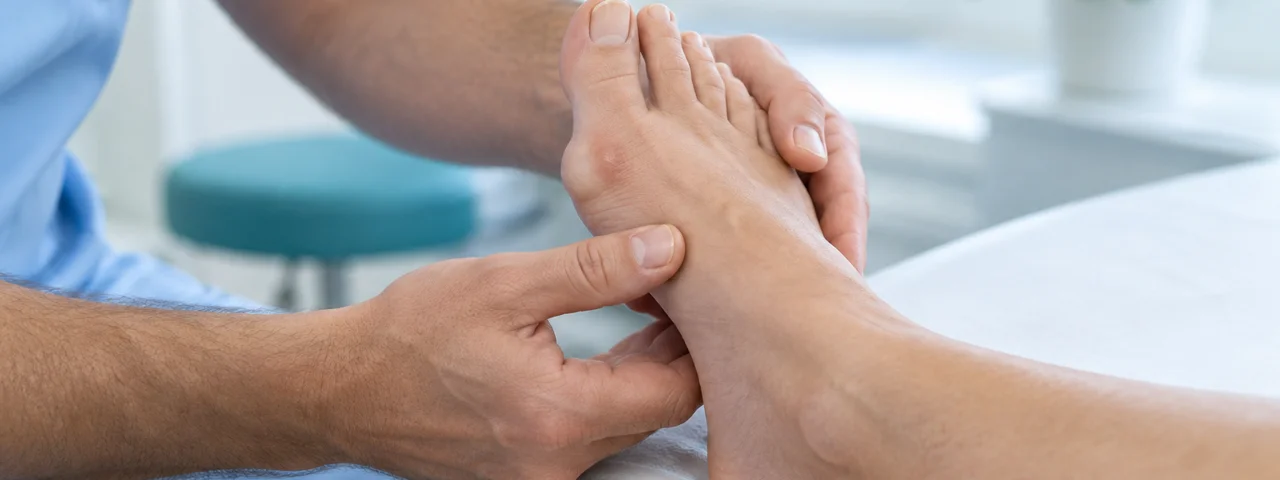
Diagnosis begins with a careful history and examination rather than a scan. A clinician will ask about the onset of symptoms, training patterns, footwear, general health and medication, then examine the tendon for tenderness, thickening, calf strength and any palpable defect. Specific clinical tests help distinguish tendinopathy from a rupture.
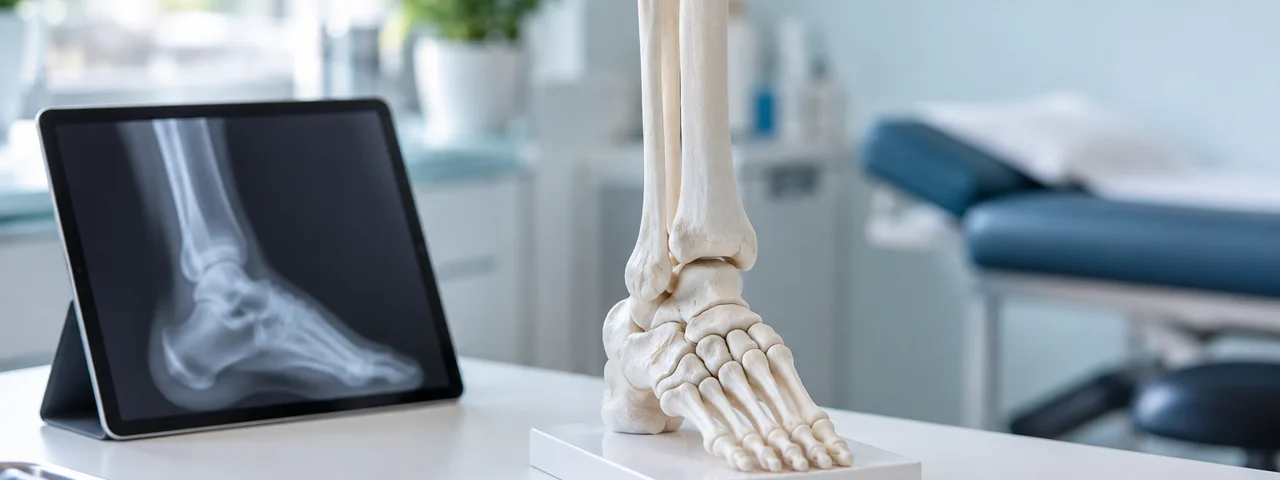
Imaging is used selectively. Ultrasound can show tendon thickening, tears and blood flow changes in real time, while MRI provides more detailed information where surgery is being considered or the picture is unclear. X-rays may be requested to assess bone spurs or calcification at the insertion.
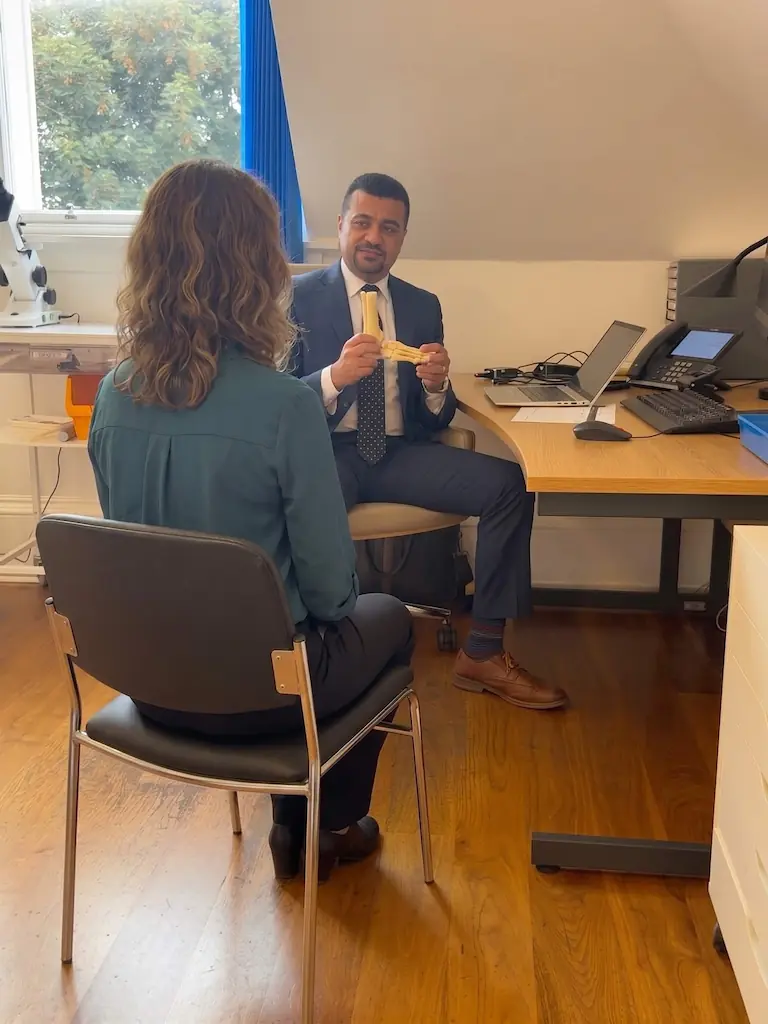
What treatment options are available?
Treatment is tailored to the type of injury, the patient’s activity goals and their general health. A typical staged pathway for tendinopathy looks like this:
- Load management. Reducing aggravating activity temporarily rather than stopping all exercise, while maintaining fitness through low-impact options such as cycling or swimming.
- Structured loading exercises. Progressive calf strengthening, often including eccentric or heavy slow resistance work, remains the best-supported first-line treatment and usually needs several months of consistency.
- Adjuncts. Heel raises, footwear modification, orthoses, physiotherapy-guided technique work and, in selected cases, shockwave therapy may support recovery.
- Surgery. Reserved for cases that have not responded to a well-executed rehabilitation programme, for significant ruptures, or for structural problems such as a prominent heel bone. Options may include debridement, tendon repair, tendon transfer or removal of a bony prominence.
Mr Samir Hakeem offers the full range of Achilles tendon surgery alongside ankle ligament reconstruction, bunion surgery and complex foot deformity correction, with treatment plans agreed after a detailed discussion of benefits, risks and expected recovery. Recovery from Achilles surgery is typically measured in months rather than weeks, and rehabilitation is as important as the procedure itself.
Can Achilles tendon injuries be prevented?
Prevention is not guaranteed, but risk can often be reduced. Because much of what causes Achilles tendon injuries relates to how load is applied, the most effective strategies focus on gradual progression and tendon conditioning:
- Increase running distance, speed or hill work gradually rather than in large jumps
- Include calf and heel raise strengthening twice weekly, even outside of injury
- Warm up properly before explosive or stop-start sports
- Replace worn footwear and avoid abrupt changes in heel height or shoe type
- Keep some level of consistent activity through the week rather than concentrating it into one session
- Address early niggles promptly instead of training through worsening pain
- Manage general health factors such as weight, blood sugar control and cholesterol with your GP
Guidance for patients on foot and ankle conditions is also published by the British Orthopaedic Foot and Ankle Society, which can be a useful resource alongside a specialist consultation.
Frequently Asked Questions
What causes Achilles tendon injuries most often?
The most common cause is repetitive overload, usually from a rapid increase in running, jumping or stop-start activity that the tendon has not had time to adapt to. Age-related tendon change, calf weakness, foot mechanics, footwear changes and certain health conditions frequently contribute as well.
How long does an Achilles tendon injury take to heal?
Mild tendinopathy may improve within six to twelve weeks with consistent loading exercises, though many cases take three to six months. Recovery after a rupture, whether treated in a brace or surgically, generally takes several months, with return to sport often taking longer. Individual timelines vary considerably.
Should I keep exercising with Achilles pain?
Complete rest is rarely advised, as tendons respond to controlled loading. Most patients are guided to reduce aggravating activities while continuing modified exercise and strengthening work. Sudden severe pain, a snapping sensation or difficulty pushing off should be assessed promptly rather than exercised through.
Can antibiotics really cause Achilles tendon problems?
Fluoroquinolone antibiotics, such as ciprofloxacin, are recognised as carrying a small risk of tendon injury including Achilles rupture. UK regulatory advice restricts their use in certain situations. Anyone who develops Achilles pain during or shortly after a course should speak to their prescriber.
Do all Achilles tendon injuries need surgery?
No. The majority of Achilles tendon problems are managed without an operation, using structured rehabilitation, load management and footwear adjustments. Surgery may be considered for ruptures, persistent symptoms that have not responded to thorough non-surgical treatment, or specific structural causes.
Where can I get Achilles tendon treatment in Edinburgh?
Achilles tendon problems are common, often frustrating and usually manageable once the underlying drivers are identified. Recognising what causes Achilles tendon injuries in your particular case, whether that is training load, tendon quality, foot mechanics or general health, is the foundation of effective treatment and long-term prevention. If Achilles pain, stiffness or weakness is limiting your activity, an assessment with Mr Samir Hakeem, Consultant Trauma and Orthopaedic Surgeon (GMC 07571062), can clarify the diagnosis and outline the treatment options most appropriate for you. Contact the clinic to arrange a consultation, or speak with your GP about a referral.