Achilles tendon surgery recovery is a gradual, staged process that usually spans several months rather than several weeks, with most people walking comfortably in a supportive boot within six to eight weeks and returning to sport somewhere between six and twelve months, depending on the injury and the individual.
Patients under the care of Mr Samir Hakeem are often surprised by how structured the process is: healing follows a predictable biological timeline, and the rehabilitation plan is built around protecting the repair early, then progressively loading the tendon so it regains strength and elasticity.
Mr Samir Hakeem is a Consultant Trauma and Orthopaedic Surgeon based in Edinburgh and the Scottish Borders, specialising exclusively in foot and ankle surgery. His subspecialty practice includes Achilles tendon disorders, bunion correction, ankle ligament injuries and complex deformity reconstruction. This guide explains what happens after surgery, what the milestones look like, what can influence healing, and when to seek advice, so patients across Edinburgh, the Lothians and the Borders can approach the process with realistic expectations.
What does Achilles tendon surgery recovery actually involve?
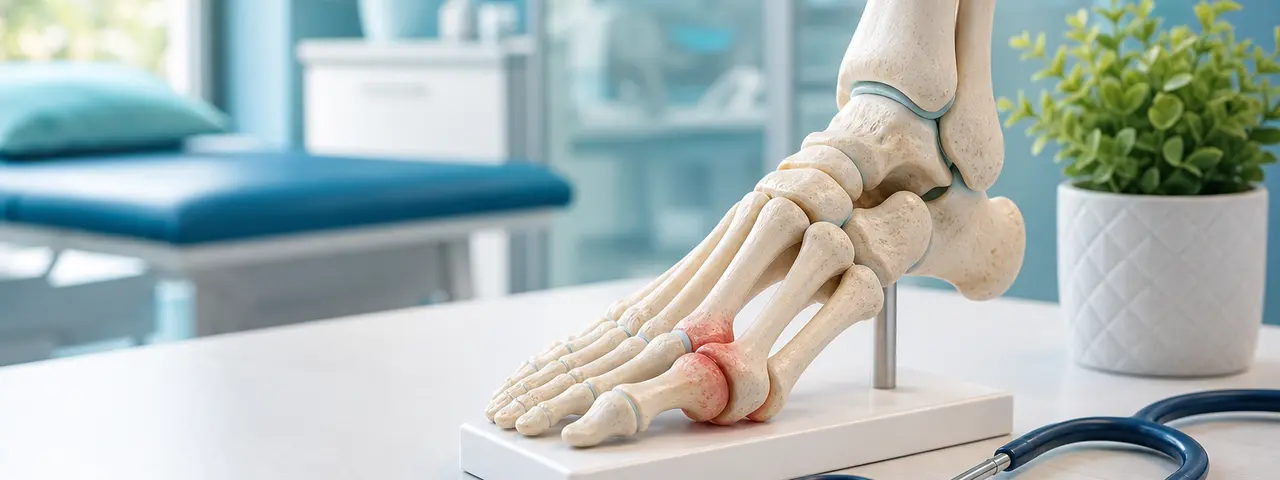
The Achilles is the largest and strongest tendon in the body, connecting the calf muscles to the heel bone. Surgery may be recommended for a complete rupture, for chronic tendon degeneration that has not settled with conservative care, or for an insertional problem at the back of the heel where bone spurs and diseased tendon are addressed together. The type of operation influences the rehabilitation plan, so no two recovery timelines are identical.
Achilles ruptures are not rare. Published studies report an incidence of roughly 11 to 37 cases per 100,000 people each year. Most occur in adults aged 30 to 50, and many happen during recreational sport.
Whatever the procedure, Achilles tendon surgery recovery follows the same broad principles: protect the repair while the tendon knits, avoid over-stretching it in the early weeks, maintain the health of the rest of the limb, and then rebuild strength in a controlled way. Modern practice generally favours early protected movement rather than prolonged rigid immobilisation, because a tendon that is loaded sensibly tends to remodel more effectively than one kept completely still.
The NHS advice on Achilles tendon rupture notes that both surgical and non-surgical management can be appropriate, and that the choice depends on factors such as the pattern of the tear, your activity level and your general health. Your surgeon will discuss which route suits your circumstances.
How long does Achilles tendon surgery recovery take?
Most people want a date in the diary, but tendon healing is biological rather than mechanical. A useful way to think about Achilles tendon surgery recovery is in four overlapping phases, each with its own goals. The timings below are typical rather than fixed, and your own plan may be faster or slower.
Phase one: the first two weeks after Achilles tendon surgery
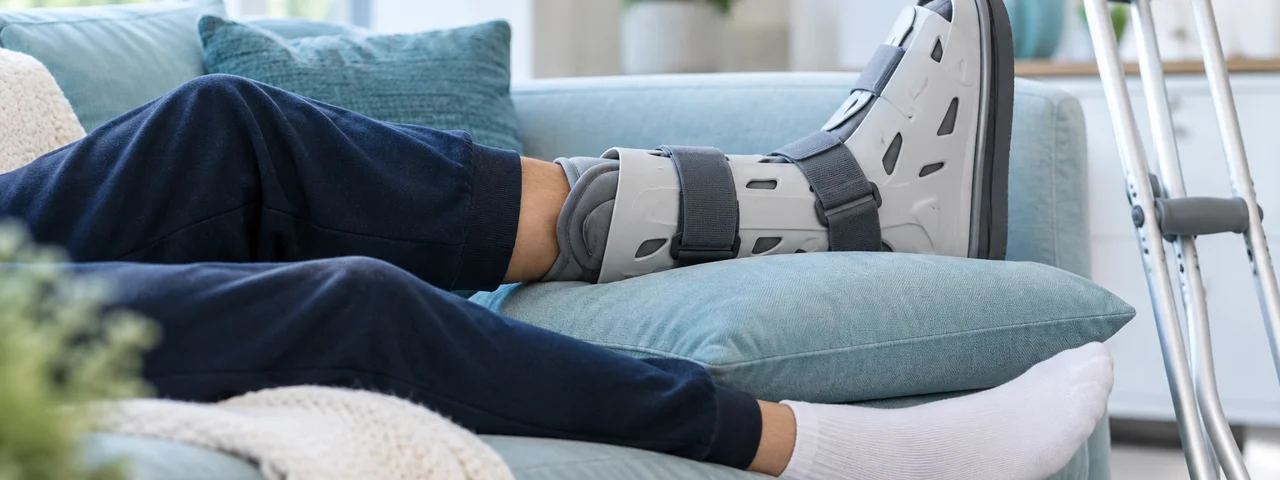
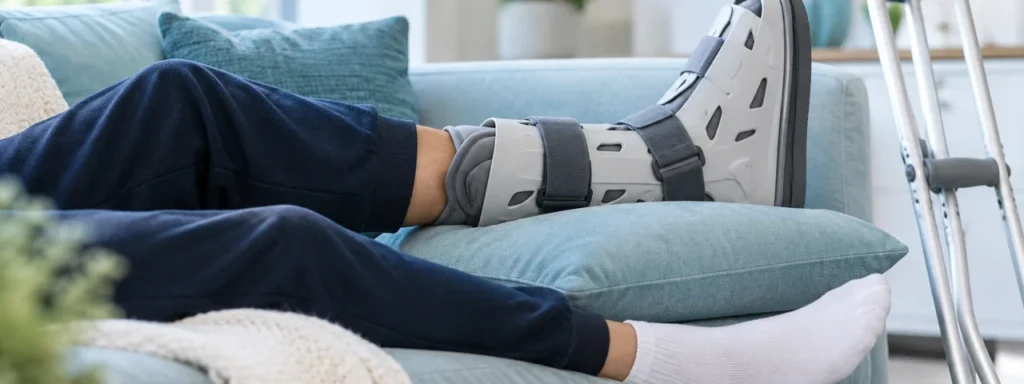
The foot is usually held in a plaster cast or a walking boot with heel wedges, positioned so the tendon is not under tension. Elevation is the single most useful thing you can do in this period, because swelling slows wound healing and causes discomfort. Expect to keep the leg raised above heart level for much of the day, with short, frequent movements of the hip and knee.
- Keep the dressing clean and dry until your wound review
- Elevate for most of the day, lowering the leg only briefly
- Use crutches or a frame exactly as instructed
- Take prescribed pain relief regularly in the first few days rather than waiting for pain to build
- Follow any blood clot prevention advice you are given
Immobility after lower limb surgery raises the risk of venous thromboembolism, which is why an individual risk assessment is standard practice. NICE guidance on reducing the risk of venous thromboembolism underpins the preventive measures used in UK hospitals, which may include mechanical methods or medication.
Phase two: weeks two to six, protected weight bearing
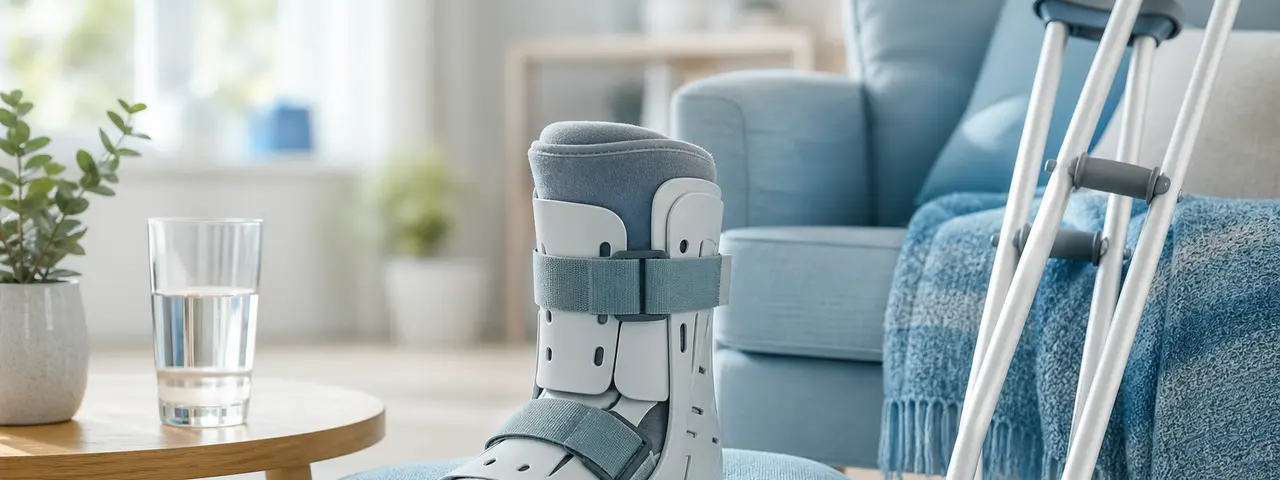
Sutures or clips are usually reviewed and removed around two weeks. Many patients then progress into a removable boot and begin taking weight through the leg, with heel wedges gradually reduced so the ankle moves slowly towards a neutral position. Gentle ankle movement within a safe range often starts in this window under physiotherapy supervision.
This is the stage where Achilles tendon surgery recovery starts to feel more encouraging. Walking returns, sleep improves and independence increases. It is also the stage where the repair is still vulnerable, so sudden stretches, stairs without the boot and barefoot walking are avoided.
Phase three: weeks six to twelve, rebuilding strength
The boot is usually weaned off somewhere between six and ten weeks, often with a heel raise in the shoe for a short period afterwards. Expect the calf to look noticeably smaller than the other side, and expect the ankle to feel stiff. Both are normal and both improve with structured loading. Strengthening typically progresses from double leg calf raises to partial single leg work, alongside balance and gait retraining.
Phase four: three to twelve months, return to full function
Tendon remodelling continues for many months. Jogging is often introduced around four to six months if strength testing allows, and pivoting or jumping sports later still. Some patients notice mild swelling, tightness after rest or reduced push-off power for up to a year. Persistence with calf strengthening is the factor most closely linked to a satisfying long-term outcome. A wider overview of postoperative expectations is set out in this foot and ankle surgery recovery guide.
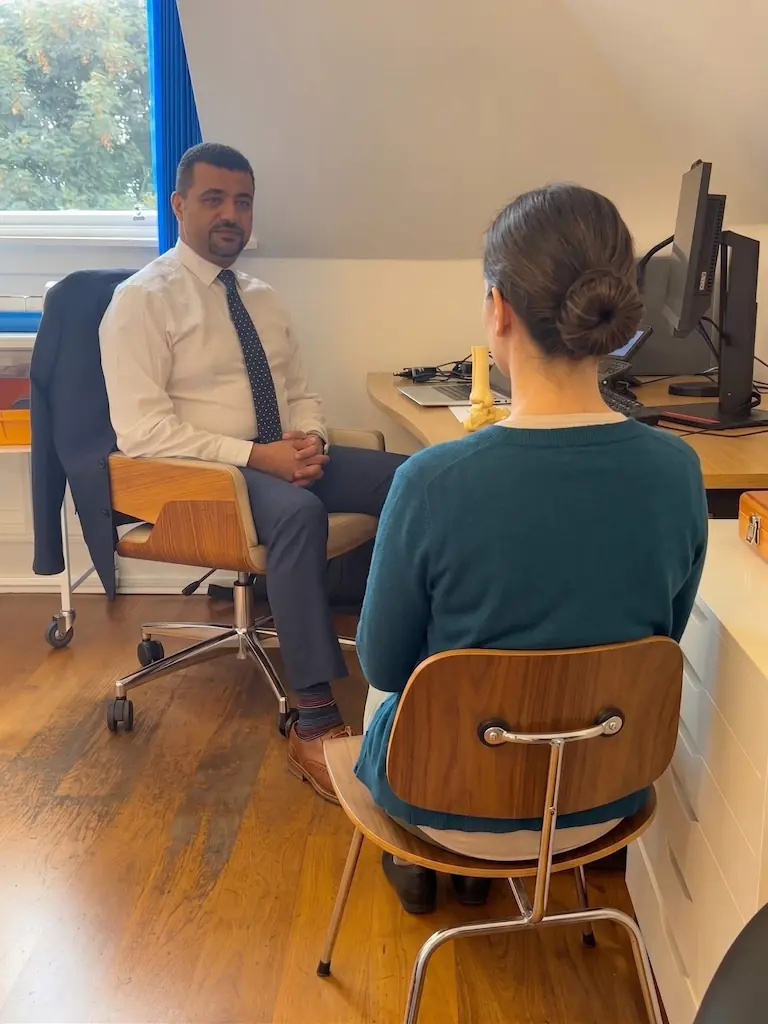
What influences Achilles tendon surgery recovery?
Two people having the same operation can have quite different journeys. Understanding the variables helps you influence the ones within your control.
- Type and location of the injury: a clean mid-substance rupture generally behaves differently from chronic degenerative disease or an insertional problem
- Time from injury to treatment: delayed presentation can make repair more complex
- Smoking: tobacco impairs wound and tendon healing, and stopping before surgery is strongly advised
- Diabetes and circulation: these affect wound healing and infection risk
- Body weight and baseline fitness: both influence the demands placed on the repair
- Engagement with physiotherapy: arguably the strongest predictor of functional recovery
Understanding why the tendon failed in the first place also matters for prevention. This article on what causes Achilles tendon injuries explains the common contributing factors, including sudden increases in training load and previous episodes of tendinopathy.
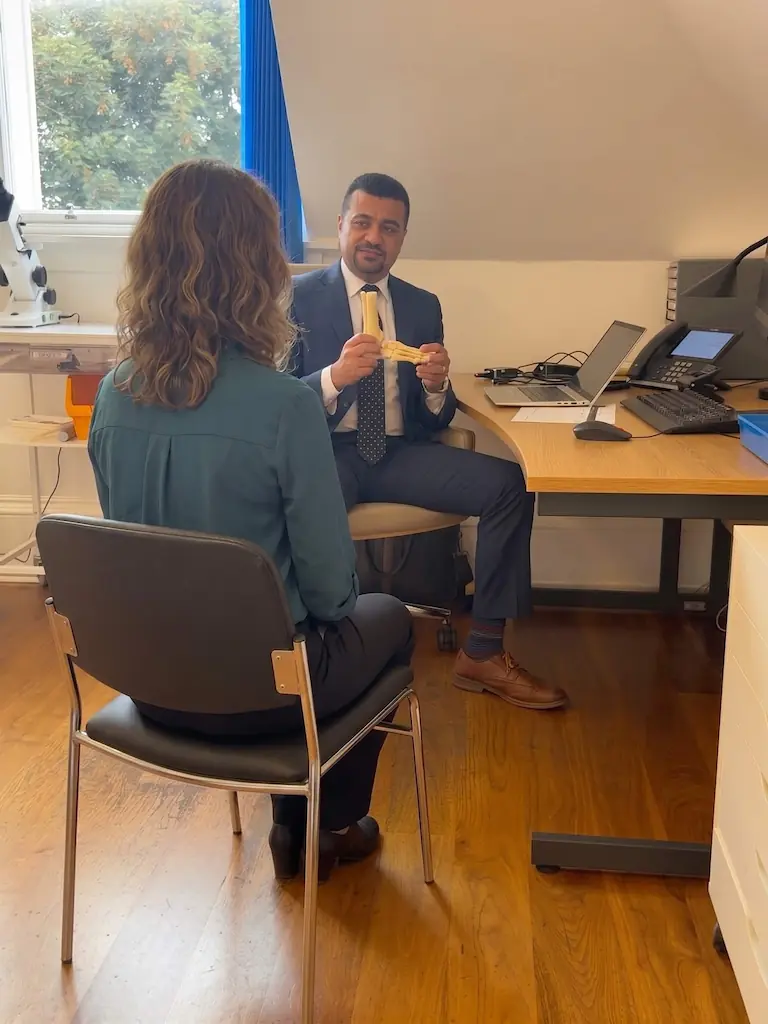
Rehabilitation and physiotherapy during Achilles tendon surgery recovery
Physiotherapy is not an optional extra. It is the treatment. Surgery restores continuity and tension; rehabilitation restores strength, endurance and confidence. A good programme is progressive, measurable and individualised.
What does physiotherapy involve after Achilles tendon surgery?
Early sessions focus on swelling control, safe range of movement and normal walking patterns. Later sessions introduce calf loading, hopping drills and sport specific work. Progression is usually guided by what you can achieve rather than by the calendar alone, for example being able to perform a single leg heel raise before running is considered.
Why does the calf stay weak for so long?
Calf muscle wasting after immobilisation is common, and restoring symmetrical strength takes longer than most people expect. Evidence summarised by Cochrane supports the value of structured rehabilitation and early functional programmes after Achilles rupture, whichever treatment route is chosen. Consistent, high quality loading over many months is what closes the gap.
Numbers help here. Calf strength deficits of 10 to 20 per cent compared with the uninjured side are still commonly measured at one year. Steady loading narrows that gap.
What are the possible risks and complications?
All surgery carries risk, and being informed helps you spot problems early. Recognised complications of Achilles surgery include wound healing problems and infection, sural nerve irritation causing numbness along the outer foot, scar sensitivity, ankle stiffness, blood clots, and re-rupture, which remains possible even after repair. Prolonged tendon lengthening can also reduce push-off power.
Re-rupture is uncommon. Pooled trial and registry data indexed on PubMed report re-rupture in roughly 2 to 5 per cent of patients after surgical repair, compared with around 10 per cent after non-surgical care. Surgery does carry a slightly higher risk of wound complications. Your surgeon will weigh both sides with you.
Your surgeon will discuss the specific risks relevant to you, in line with the shared decision making standards set out by the General Medical Council. Contact your clinical team promptly if you develop spreading redness, wound discharge, fever, sudden calf pain and swelling, breathlessness, or a sensation that something has given way.
Frequently Asked Questions
How long is Achilles tendon surgery recovery in total?
Most patients walk in a boot by six weeks, out of the boot by eight to ten weeks and back to everyday activities by three to four months. Full Achilles tendon surgery recovery, including sport, commonly takes six to twelve months because tendon remodelling continues well beyond wound healing.
Will I need crutches after Achilles tendon surgery?
Yes, crutches or a frame are usually needed in the early weeks while weight bearing is restricted or partial. Most people move to a walking boot with full weight bearing within a few weeks, and crutches are then phased out as balance and confidence improve.
Is Achilles tendon surgery painful afterwards?
Discomfort is usually most noticeable in the first few days and is generally well managed with prescribed pain relief, elevation and ice as advised. Pain that worsens after an initial improvement should always be reported, as it may indicate a wound or circulation problem needing review.
Can the Achilles tendon rupture again after surgery?
Re-rupture is uncommon after repair but remains possible, particularly if the tendon is loaded too aggressively too early or protective footwear is abandoned prematurely. Following the staged rehabilitation plan and completing calf strengthening substantially supports a durable result.
When can I return to running and sport?
Jogging is often introduced around four to six months, with pivoting and jumping sports later, provided strength and control tests are satisfactory. Your physiotherapist and surgeon will assess single leg calf raise capacity and symmetry before clearing you to progress.
Do I need physiotherapy privately or on the NHS?
Both routes can deliver excellent outcomes. What matters is that rehabilitation is structured, progressive and continued for several months. Your surgeon will outline the expected programme and can advise on suitable physiotherapy options in Edinburgh and the surrounding areas.
Summary and next steps
Achilles tendon surgery recovery rewards patience and consistency. The early weeks are about protection and swelling control, the middle phase is about restoring movement and walking, and the later months are about rebuilding genuine calf strength. Understanding these stages helps patients stay motivated when progress feels slow, and it reduces the temptation to rush the tendon before it is ready. Those considering other foot procedures may also find this guide on when to consider bunion surgery, including signs, timing and recovery, a helpful comparison of how orthopaedic rehabilitation is planned.
If you have an Achilles injury or ongoing heel and tendon pain, an assessment can clarify whether surgery is appropriate and what a realistic recovery would look like for you. To discuss your symptoms, diagnosis and treatment options, including what Achilles tendon surgery recovery would involve in your case, you can arrange a specialist consultation with Mr Samir Hakeem, Consultant Trauma and Orthopaedic Surgeon in Edinburgh and the Scottish Borders. This article is for general information and does not replace individual medical advice.