For most people with a painful bunion that limits walking, footwear choice and daily activity despite trying insoles, wider shoes and painkillers, the question “is bunion surgery worth it” usually has a positive answer, because modern correction can relieve pain reliably and realign the toe for the long term. It is far less likely to be worthwhile when a bunion causes no pain and the main concern is appearance.
As Mr Samir Hakeem explains to patients in clinic, the honest answer depends on how much the bunion is affecting your life, what has already been tried, and your own expectations of recovery.
Mr Samir Hakeem is a Consultant Trauma and Orthopaedic Surgeon at Borders General Hospital, NHS Scotland, with practice based in Edinburgh and the Scottish Borders. He works exclusively in foot and ankle surgery, with subspecialty fellowship training at the Freeman Hospital in Newcastle and at Addenbrooke’s Hospital in Cambridge, and treats conditions ranging from bunions and ankle arthritis to ligament injuries and complex deformity correction. This article is written to help you weigh up the decision calmly, with realistic information about symptoms, causes, treatment options and recovery.
Is Bunion Surgery Worth It? The Short Answer
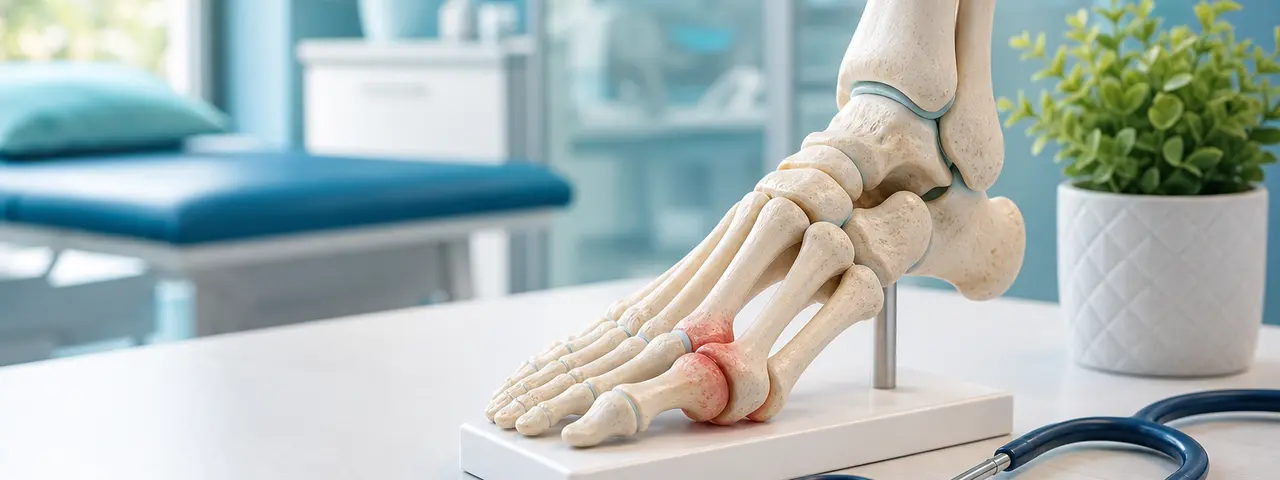
A bunion (hallux valgus) is a progressive deformity, not simply a lump of bone. Over time the big toe drifts towards the second toe while the first metatarsal drifts outwards, which is why bunions tend to slowly worsen rather than settle. Non-surgical measures can ease symptoms, but they do not straighten the toe.
That distinction matters when you are deciding whether bunion surgery is worth it. Surgery is the only treatment that corrects the underlying alignment. The trade-off is a recovery period measured in weeks to months, and a small but real risk of complications. Most patients who have persistent pain, who are struggling to find comfortable shoes, or whose second toe is becoming deformed find that trade-off worthwhile. Patients whose bunion is purely cosmetic generally do not, and the NHS is clear that surgery is not usually offered for appearance alone.
What Is a Bunion, and What Causes One?
Understanding the cause helps explain why the question of whether bunion surgery is worth it comes up so often: bunions rarely stay still. Genetics play a significant role, and many patients describe a parent or grandparent with the same foot shape. Footwear that is narrow or high-heeled may accelerate the process rather than create it from nothing.
Common symptoms and contributing causes
- A visible bony prominence at the base of the big toe, often with redness or thickened skin over it
- Aching or burning pain in the joint, typically worse in closed or narrow shoes
- Difficulty finding footwear that fits comfortably across the forefoot
- Pain under the ball of the foot as weight shifts onto the lesser toes
- Crowding, overlapping or clawing of the second toe
- A family history of bunions, flexible or flat feet, inflammatory arthritis, or conditions affecting connective tissue
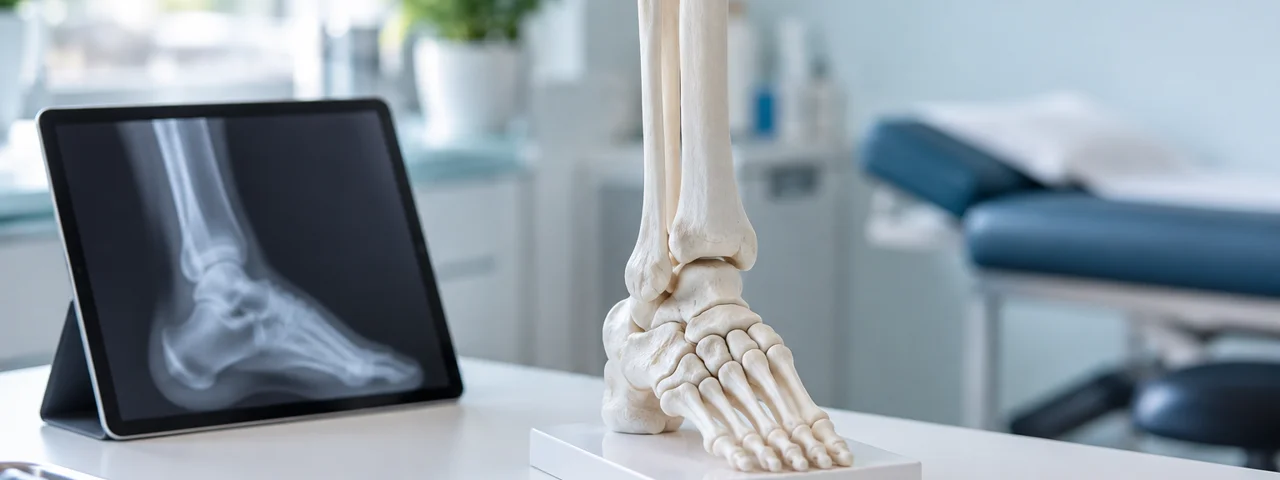
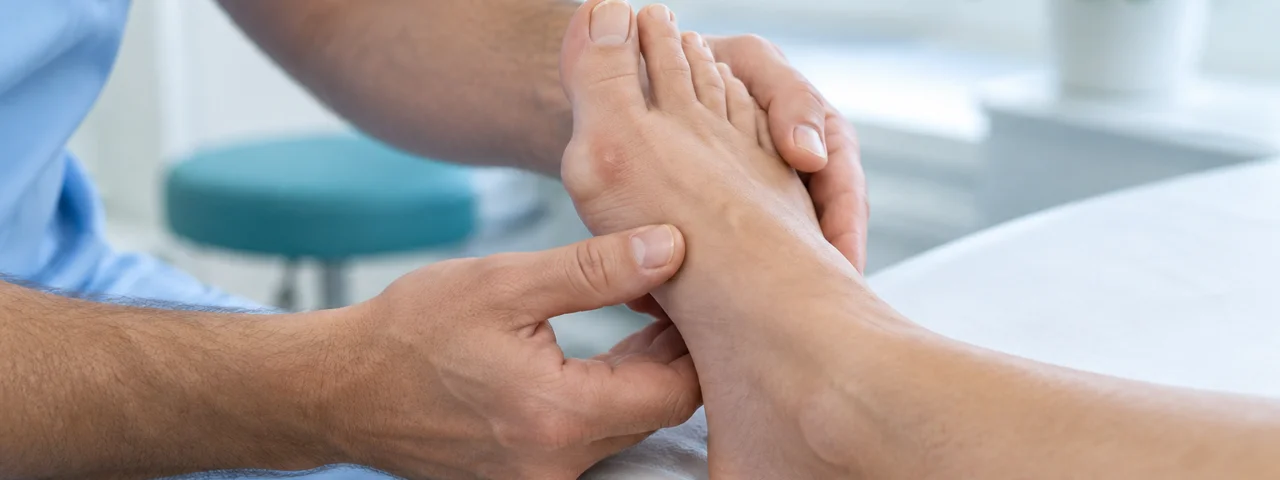
Diagnosis is usually straightforward. A specialist assessment involves examining how the foot loads when you stand and walk, checking the flexibility and condition of the big toe joint, and taking weight-bearing X-rays to measure the angles of deformity and look for arthritis within the joint. Those measurements directly influence which operation is appropriate.

When Is Bunion Surgery Worth Considering?
Timing is a common source of anxiety. There is no need to rush, but leaving a severe deformity for many years can make correction more complex, particularly if the lesser toes become involved or arthritis develops in the joint. If you would like a fuller discussion of timing, this related article on when to consider bunion surgery, including signs and recovery goes into further detail.
Signs that bunion surgery may be worth it for you
- Pain that persists despite roomier footwear, orthoses, toe spacers and simple analgesia
- Symptoms that limit work, exercise, or standing for normal periods
- Progressive deformity, with the big toe now pressing on or under the second toe
- Recurrent skin irritation, callus or ulceration over the prominence
- Secondary problems such as pain under the ball of the foot or a developing hammer toe
When bunion surgery may not be worth it
- The bunion is visible but genuinely painless, and shoes remain comfortable
- The main motivation is cosmetic improvement
- Simple measures have not yet been tried properly for a reasonable period
- There are factors that increase surgical risk, such as active smoking, poorly controlled diabetes, significant peripheral vascular disease or active infection, which may need addressing first
- You cannot realistically accommodate the recovery period at this stage of life or work
What Does Bunion Surgery Actually Involve?
There is no single bunion operation. The procedure is chosen to match the severity of deformity, the condition of the joint and the shape of the foot. Options may include an osteotomy, where the bone is cut and realigned before being held with small screws or plates, a fusion of the joint at the base of the first metatarsal for more severe or unstable deformities, or fusion of the big toe joint itself where significant arthritis is present. Minimally invasive techniques are available for selected patients.
Surgery is commonly performed as a day case under general or regional anaesthesia, often with a local anaesthetic block to help with early pain control. The British Orthopaedic Foot and Ankle Society (BOFAS) provides patient information on forefoot procedures that many people find useful before their consultation. Your surgeon will explain which technique is planned for your foot and why, along with the alternatives.
Recovery After Bunion Surgery: What to Expect
Recovery is the single biggest factor when patients ask whether bunion surgery is worth it, so it deserves honest detail. Timelines vary with the procedure performed and with individual healing, but a typical pathway looks like this:
- Weeks 0 to 2: elevation is the priority. Expect swelling, bruising and some discomfort. Most patients wear a post-operative shoe or boot and mobilise as instructed, which is often heel weight-bearing.
- Weeks 2 to 6: wound review, gradual increase in walking within the protective shoe, and gentle toe movement exercises if advised. Driving is usually not possible in the early weeks after right foot surgery.
- Weeks 6 to 12: transition into a wide, supportive trainer as bone healing progresses. Comfortable walking distances improve steadily, although swelling often persists.
- Three to six months: return to most activities, including many sports, depending on the operation and progress.
- Six to twelve months: final settling of swelling and shoe comfort. Slight residual swelling at the end of the day is common well into the first year.
Time off work depends on your role. Desk-based work with the ability to elevate the foot may be possible within a few weeks, while jobs involving prolonged standing or manual labour usually require longer. Planning surgery around work and family commitments is sensible.

Risks and Limitations: Weighing Up Whether Bunion Surgery Is Worth It
Balanced consent is essential. Bunion correction is generally safe and well established, but no operation is without risk. Recognised risks include infection, delayed wound healing, stiffness of the big toe joint, altered sensation from nerve irritation, delayed or incomplete bone healing, problems with the metalwork, blood clots, ongoing pain, over-correction or under-correction, and recurrence of the deformity over time. NICE guidance on surgical procedures emphasises that decisions should be made jointly, with clear information about expected benefits and possible harms.
It is also important to understand what surgery does not promise. Bunion surgery is not designed to allow you to wear narrow fashion shoes, and it will not necessarily produce a cosmetically perfect foot. The realistic goal is a comfortable, functional, better aligned foot that fits normal shoes. When patients understand that goal clearly, satisfaction after surgery tends to be high.
Non-Surgical Treatment Options to Try First
Before surgery is considered, conservative measures are usually recommended, particularly for mild symptoms. These may help control discomfort, although they do not reverse the deformity.
- Wide, deep, soft-topped footwear with a low heel
- Bunion pads or silicone shields to reduce friction over the prominence
- Off-the-shelf or custom orthoses, especially where the arch collapses on standing
- Toe spacers for symptomatic relief
- Simple analgesia or topical anti-inflammatory preparations where appropriate for you
- Podiatry input for callus care and footwear advice
If these measures keep you comfortable, that is a perfectly reasonable long-term plan. Surgery becomes the sensible next step when they no longer work.
Getting a Specialist Assessment in Edinburgh
A focused consultation is the most reliable way to answer the question for your own foot. Assessment typically includes a detailed history, examination of gait and joint flexibility, weight-bearing X-rays and a discussion of realistic outcomes. Because bunions often coexist with other forefoot problems, an assessment by a surgeon who works across the full range of foot and ankle surgery allows the whole picture to be addressed rather than the bunion in isolation. Patients from Edinburgh, the Lothians and the Scottish Borders are seen for this type of assessment, with same-week appointments often available.
Frequently Asked Questions
Is bunion surgery worth it for pain relief?
For most patients with persistent pain that has not responded to footwear changes, orthoses and simple analgesia, bunion surgery is worth considering, as it corrects the underlying alignment rather than masking symptoms. Outcomes are generally good, though recovery takes months and results vary between individuals.
Is bunion surgery worth it if my bunion does not hurt?
Usually not. Surgery for a painless bunion exposes you to operative risk and a lengthy recovery without a clear functional gain, and it is not normally offered for cosmetic reasons within the NHS. Monitoring and sensible footwear are typically recommended instead.
How painful is the recovery?
Discomfort is most noticeable in the first week or two and is generally manageable with prescribed pain relief, elevation and ice as advised. Regional anaesthetic blocks can help considerably in the first 24 hours. Your clinician will discuss a pain management plan tailored to you.
Can a bunion come back after surgery?
Recurrence is possible, particularly with very severe deformities, flexible flat feet, or if the underlying foot mechanics are not addressed. Choosing the appropriate procedure for the measured deformity and following post-operative instructions carefully both help reduce that risk.
Will I be able to walk immediately after bunion surgery?
Many patients mobilise on the day of surgery in a post-operative shoe or boot, often weight-bearing through the heel, though this depends on the procedure performed. Crutches or a frame may be needed initially, and elevation should take priority over walking in the first fortnight.
Is bunion surgery available privately as well as on the NHS?
Yes. Bunion correction is performed both within the NHS and privately, with private care generally offering shorter waiting times and greater flexibility over scheduling. The operation itself and the surgical principles are the same in either setting.
Deciding whether bunion surgery is worth it is a personal judgement rather than a purely medical one, and the best decisions are made with accurate information about your own X-rays, your symptoms and your goals. If pain, footwear difficulty or progressive deformity is affecting your daily life, an assessment with Mr Samir Hakeem, Consultant Trauma and Orthopaedic Surgeon specialising in foot and ankle surgery in Edinburgh and the Scottish Borders, will clarify your options, including the non-surgical ones. To discuss whether bunion surgery may be suitable for you, book a consultation with Mr Samir Hakeem.